
DolphinRadar

Creator research

Can dolphin radar tiktok help with creator research?

If you searched for dolphin radar tiktok, first pin down what you need to learn: a creator's TikTok activity, their presence on another platform, or both. A cross-platform match is a research lead, not proof that one service tracks both channels.

Social media research imagery

Three workflows for a TikTok creator check

Use these workflows to keep public observations separate from assumptions about identity, audience, and cross-platform activity.

  1. 1

    Verify the account you mean

    Record the TikTok handle, profile URL, visible bio, and date checked. If you find a similarly named account elsewhere, look for a link the creator published themselves before calling the accounts connected. A shared display name alone is not enough.

  2. 2

    Log visible content with context

    For a content review, note the post URL, publication date when visible, format, topic, and any public engagement figures you can verify. Keep screenshots or notes tied to their source and observation date; counts and availability can change after you check.

  3. 3

    Separate findings from open questions

    Summarize what the public TikTok page shows, then list what it cannot establish, such as private audience details or activity on a different network. If another service enters the workflow, check its stated platform coverage rather than assuming a TikTok integration.

Example output: a source-labelled research brief

An example brief turns a vague creator search into observations someone else can check. The images illustrate the approach; they are not product screenshots or a promised output.

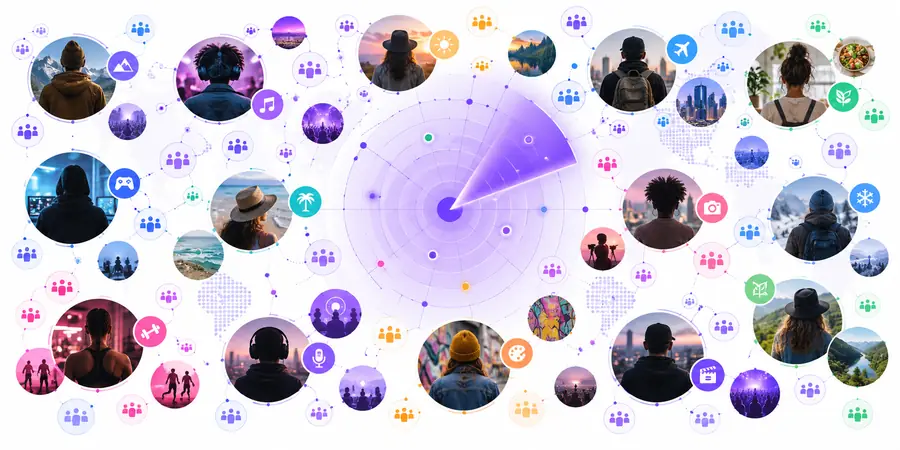
Illustration of a broad creator-discovery search
Before: a name and an assumption
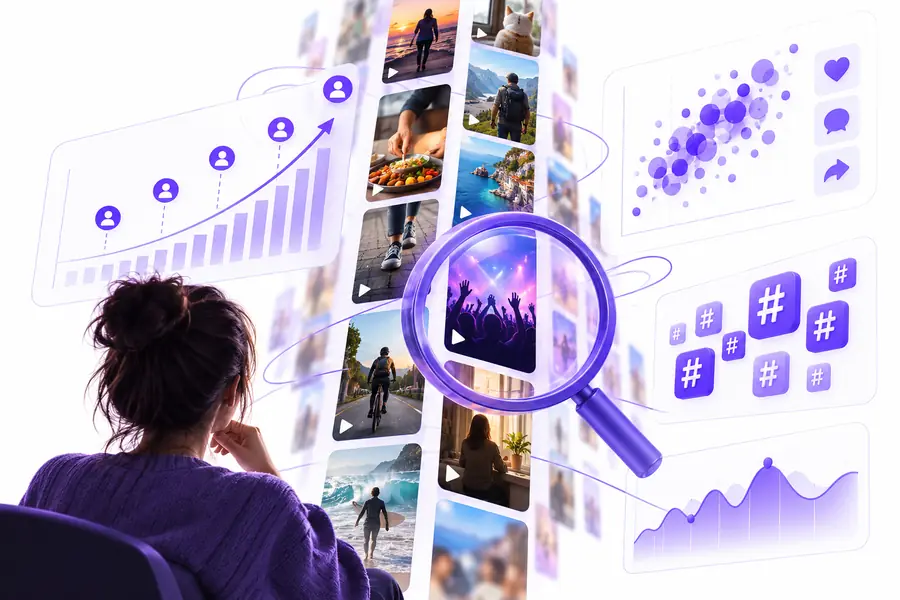
Illustration of a more structured social media research review
After: sources and open questions

Example brief: TikTok handle and profile URL recorded; three public post links reviewed on the observation date; recurring topics listed; identity on other platforms unconfirmed unless the creator links those accounts. This is a template for your own notes, not data retrieved by dolphinradar.

Before: a name and an assumptionAfter: sources and open questions

Compliance notes for cross-platform research

Work from material you are permitted to view, follow each platform's rules, and avoid presenting inferred identity or private behavior as fact.

Creator researcher

You find a public TikTok account and want to understand whether a similarly named profile elsewhere belongs to the same person.

Keep the accounts separate until the creator provides a reliable connection; the page on what is dolphin radar helps frame what a service description does and does not establish.

what is dolphin radar

Community manager

You are comparing public comments on posts without treating a few visible replies as a full audience survey.

Quote only the comments needed for your review and retain their post context; dolphin radar comment viewer addresses a different, comment-specific research question.

dolphin radar comment viewer

Privacy-conscious analyst

You need to review public activity without making promises about whether a visit is invisible to an account holder or a platform.

Avoid anonymity claims unless the relevant service documents them; is dolphin radar anonymous examines that uncertainty directly.

is dolphin radar anonymous

Choose a source-first next step

If your goal is TikTok research, confirm platform coverage before relying on any third-party tool. Keep your own source links and observation dates so you can revisit a conclusion when a profile or post changes.

Keep the channel and the claim aligned

  • Define the question before selecting a service
  • Distinguish public observations from inferences
  • Check a tool's stated coverage for your channel
Explore research options

TikTok research FAQ

Do not assume TikTok support from a search result that pairs the two names. Check the service's current documentation for its stated platform coverage and the particular task you want to perform. If TikTok is not listed, use sources appropriate to that channel instead.

A matching handle or display name is only a clue, not identity verification. Look for cross-links published by the creator and record where you found them. Do not present an unlinked account as theirs.

Save the profile or post URL, the date you checked it, and the specific visible details relevant to your question. Mark changing figures as observations from that date rather than permanent totals. Keep interpretation separate from what the source actually shows.

A claim about private activity needs stronger evidence than a public profile or a similarly named account. Do not expect a third-party research page to establish hidden viewing, private messages, or nonpublic audience details. Respect account privacy and platform rules.

Begin with the exact task, such as finding a public profile or reviewing visible posts, then check each tool's stated channel coverage. Compare how findings can be traced back to sources, not just how polished a summary looks. Recheck availability and terms before relying on a result.

Explore profiles
Explore profiles